Stepping into the world of commercial kitchens means understanding that every piece of equipment plays a crucial role, and when it comes to serving up those irresistible crispy delights, choosing the Best Commercial Deep Fryer is a decision that can make or break your menu. It’s more than just a metal box that heats oil; it’s the heart of your fried food production, influencing everything from food quality and cooking efficiency to operational costs and safety. Let’s dive in and find the perfect partner for your culinary adventures.
What Makes a Commercial Deep Fryer So Important?
Think about your favorite crispy fries, golden-brown chicken, or perfectly battered fish. The consistency and deliciousness of these items don’t happen by chance. A top-tier commercial deep fryer is engineered to handle the rigorous demands of a busy kitchen, delivering uniform heat and rapid recovery times that a home fryer simply can’t match. It ensures every batch is just as good as the last, keeping your customers happy and coming back for more. Beyond taste, the right fryer boosts kitchen efficiency, manages costs by extending oil life, and incorporates vital safety features to protect your team.
Exploring the Landscape of Commercial Deep Fryer Types
Before you can choose the best commercial deep fryer, it’s essential to understand the different kinds available and how they fit into various kitchen setups and menu demands.
Countertop vs. Floor Models
Your available space and volume requirements are the first considerations.
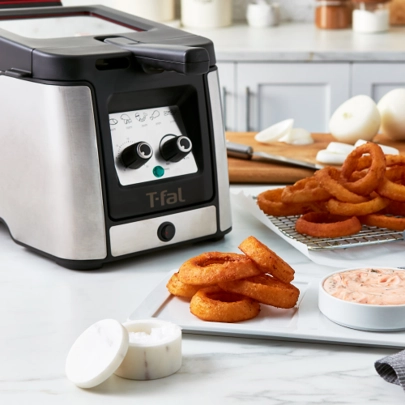
- Countertop Fryers: These compact units are perfect for smaller operations, food trucks, or kitchens with moderate frying needs. They’re versatile and can be light-duty or surprisingly robust.
- Floor Models: Designed for high-volume kitchens like busy restaurants or cafeterias, floor models are larger, more powerful, and can handle significant quantities of food. They often come with multiple tanks, allowing for diverse frying simultaneously.
Gas vs. Electric Fryers
The power source is a critical choice, impacting both performance and utility.
- Gas Deep Fryers: Known for their rapid heat-up and quick temperature recovery, gas fryers are powerhouses ideal for high-volume settings where speed is paramount. They often prove cost-effective where natural gas is cheaper than electricity.
- Electric Deep Fryers: These models excel in precise temperature control, making them excellent for delicate items. They’re generally easier to install as they don’t require gas lines, offering more flexibility in placement. Modern electric fryers have come a long way in efficiency, too.
Open-Pot, Tube-Type, and Flat-Bottom Fryers
The design of the fry pot itself dictates the types of food best suited for the fryer.
- Open-Pot Fryers: These are versatile and easy to clean, great for low-sediment foods like French fries, mozzarella sticks, or tempura. They heat up fast and cook evenly.
- Tube-Type Fryers: Characterized by heating tubes running through the oil, these are champions for heavily breaded items like fried chicken or battered fish. They boast a large “cold zone” beneath the tubes, which traps sediment, preventing it from burning and extending oil life.
- Flat-Bottom Fryers: Specifically designed for delicate, floating items such as donuts, funnel cakes, or specific types of tempura, these fryers have a flat heating surface at the bottom and lack a cold zone, requiring careful use for items that produce sediment.
Specialty Deep Fryers
For unique needs, specialty fryers offer targeted solutions.
- Pressure Fryers: These fryers cook food under pressure, leading to faster cooking times and incredibly juicy interiors with crispy exteriors. They are a favorite for fried chicken specialists.
- Ventless Fryers: Equipped with built-in filtration systems, ventless fryers eliminate the need for an external ventilation hood, offering placement flexibility—a boon for food trucks or temporary setups.
- Conveyor Fryers: Ideal for continuous, high-volume production, conveyor fryers move food through the hot oil on a belt, ensuring consistent results with minimal manual labor.
Key Features to Look for in the Best Commercial Deep Fryer
Once you’ve narrowed down the type, certain features will elevate a good fryer to the best commercial deep fryer for your operation.
Capacity and Size
Choosing the right capacity prevents bottlenecks during peak hours. Consider your daily frying volume and your busiest rush. Countertop models might hold 6-30 liters of oil, while floor models can range from 30-100+ liters. “Don’t underestimate your needs,” advises Chef Anya Sharma, a seasoned culinary consultant. “An undersized fryer is a constant source of frustration and inconsistent food quality.”
Temperature Control and Recovery
Precision is paramount. The ability to maintain a consistent oil temperature is crucial for preventing greasy food (too cool) or burnt exteriors with raw interiors (too hot). Look for fryers with sensitive thermostats and quick temperature recovery times, especially after introducing cold food. This ensures optimal cooking results batch after batch.
Oil Filtration and Management
Oil is a significant operating cost. The best commercial deep fryer often includes built-in oil filtration systems that extend oil life by removing food particles, saving you money and ensuring better-tasting food. Features like a “cool zone” also contribute to oil longevity. Some advanced models even have automatic oil top-off systems.
Safety Features
In a busy kitchen, safety is non-negotiable. Essential features include automatic shut-off systems, overheat protection, and cool-touch handles. NSF certification and UL listing are indicators of adherence to safety and sanitation standards.
Construction Material
Durability and ease of cleaning are key. Stainless steel construction is highly recommended for its resistance to corrosion, longevity, and professional appearance. An oil drain feature significantly simplifies daily cleaning and maintenance.
Advanced Controls and Automation
Modern fryers offer programmable controls with digital displays, allowing for precise temperature settings and timed cooking cycles. Some even have pre-set programs for different menu items, streamlining operations and reducing human error. This level of automation can free up staff for other tasks.
Mastering Tips and Techniques for Effective Frying
Even with the best commercial deep fryer, technique matters.
- Proper Preheating: Always preheat your oil to the correct temperature before adding food.
- Don’t Overload: Frying too much food at once will drop the oil temperature, leading to greasy results. Fry in batches appropriate to your fryer’s capacity.
- Oil Maintenance: Filter your oil daily to remove sediment. Regularly check oil quality and replace it when necessary. Proper oil management not only saves costs but also ensures food quality.
- Safe Disposal: Never pour used oil down the drain. Follow local regulations for proper oil disposal. Many commercial kitchens use dedicated oil recycling services.
The Impact of Deep Frying on Nutrition and Health
While delicious, deep-fried foods can be high in fat and calories. Choosing the right cooking oil (like high-oleic sunflower oil or canola oil) and maintaining optimal frying temperatures can help minimize oil absorption. Modern commercial deep fryers, especially those with advanced temperature control and filtration, contribute to healthier outcomes by preventing excessive oil absorption and ensuring fresher oil. Balance is key: offer a variety of menu items, including healthier options, alongside your fried favorites.
Popular Dishes and Creative Ideas with Your Commercial Deep Fryer
The possibilities with a commercial deep fryer are endless. Think beyond the classic fries and chicken!
- American Classics: Crispy chicken wings, onion rings, mozzarella sticks, corn dogs.
- Seafood Delights: Fish and chips, calamari, fried shrimp.
- Sweet Treats: Churros, donuts, funnel cakes, fried ice cream.
- Global Inspiration: Tempura, falafel, samosas, arancini balls.
Consider offering unique battered vegetables or even specialty fried desserts to set your menu apart. “A deep fryer isn’t just for savory; it’s a gateway to surprising sweet creations too,” notes culinary engineer Dr. Lena Petrova, known for her innovative kitchen designs.
Frequently Asked Questions About Commercial Deep Fryers
Q: What’s the main difference between a commercial and a residential deep fryer?
A: Commercial deep fryers are designed for continuous, high-volume use with faster heat recovery, larger capacities, and more robust safety features than residential models.
Q: How often should I filter my fryer oil?
A: For optimal food quality and oil longevity, you should filter your fryer oil at least once daily, or more frequently during very busy periods.
Q: Are gas or electric commercial deep fryers more energy efficient?
A: While gas fryers often heat up faster, modern electric fryers can offer very precise temperature control and may be more energy-efficient for specific tasks or in areas where electricity is cheaper.
Q: Can I use any cooking oil in my commercial deep fryer?
A: Most commercial deep fryers are versatile, but it’s crucial to choose high smoke point oils suitable for deep frying, like canola, peanut, or high-oleic sunflower oil, to maintain quality and safety.
Q: What is a “cold zone” in a deep fryer?
A: A cold zone is a cooler area at the bottom of the fry pot in some fryers (like tube-type) where food crumbs and sediment can settle without burning, thus extending the life and quality of your cooking oil.
Q: How do I determine the right size fryer for my restaurant?
A: Consider your menu’s reliance on fried foods, your estimated daily volume of fried items, and the physical space available in your kitchen. A larger capacity is needed for high-volume operations.
Frying Up Success: Your Investment in the Best Commercial Deep Fryer
Choosing the best commercial deep fryer is a foundational step toward culinary excellence and operational efficiency. It’s an investment that pays dividends in consistent food quality, streamlined workflow, and satisfied customers. By understanding the types, critical features, and best practices, you empower your kitchen to create mouth-watering fried dishes that keep diners coming back. So, go ahead, pick the perfect fryer, and get ready to deep-fry your way to success!