Stepping into the bustling world of food service, every inch of kitchen space and every minute of preparation time counts. That’s where the Commercial Countertop Deep Fryer comes in as an indispensable piece of equipment, transforming limited spaces into powerhouse frying stations. Far from being just a simple appliance, this compact marvel is a strategic investment for any business looking to expand its menu with delicious fried offerings, enhance operational efficiency, and capture the hearts (and taste buds) of customers. Whether you’re running a cozy cafe, a vibrant food truck, or a bustling concession stand, understanding and leveraging the full potential of a countertop fryer can significantly elevate your culinary game and boost your bottom line.
What is a Commercial Countertop Deep Fryer and Why Does It Matter?
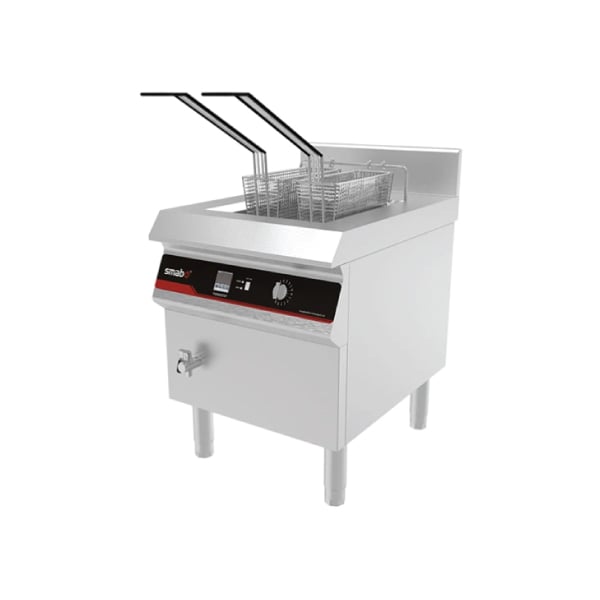
A commercial countertop deep fryer is exactly what it sounds like: a compact yet powerful deep-frying unit designed to sit on your kitchen counter or an equipment stand. Unlike their larger, floor-standing counterparts, these fryers are tailored for businesses with space constraints or those needing to add a dedicated frying station without extensive renovations. They are a game-changer for expanding menus to include popular items like crispy fries, golden chicken wings, onion rings, and a myriad of other fried delights.
The importance of a commercial countertop deep fryer lies in its unique blend of efficiency, versatility, and cost-effectiveness. It offers businesses the flexibility to introduce high-demand fried foods with a relatively low initial investment, making it an accessible option for startups and established eateries alike. This equipment ensures quick cooking times and consistent results, crucial for maintaining food quality and customer satisfaction in a fast-paced environment. It’s truly a secret weapon for maximizing output in a minimal footprint.
Diverse Delights: Types of Commercial Countertop Deep Fryers
Choosing the right commercial countertop deep fryer means understanding the different types available and how they cater to various needs and preferences. Each design offers specific advantages, ensuring you find the perfect match for your kitchen’s demands.
Electric vs. Gas: Powering Your Fryer
The fundamental choice often comes down to the power source:
- Electric Countertop Deep Fryers: These models are typically easier to install as they only require a standard electrical outlet (though higher-wattage units might need a dedicated circuit). They are known for consistent temperature control and excellent heat transfer, thanks to heating elements submerged directly in the oil, which leads to faster recovery times between batches. Their portability is a significant advantage, ideal for food trucks or temporary setups.
- Gas Countertop Deep Fryers: Operating on natural gas or propane, gas models often deliver higher heat output and even faster recovery times. They are well-suited for kitchens that already utilize gas-powered equipment and require sustained high-volume frying. While they need a gas hookup, their raw power is unmatched for quickly heating large volumes of oil.
Single vs. Double Pot: Versatility in Volume
Commercial countertop deep fryers come in both single-tank and double-tank (or split-pot) configurations:
- Single-Pot Fryers: These units have one large oil vat, perfect for frying a single type of food in larger batches, such as a continuous stream of French fries.
- Double-Pot Fryers: Featuring two separate oil tanks within a single footprint, these offer incredible versatility. You can fry two different food items simultaneously without any flavor transfer, or use different oil types or temperatures. This is ideal for diverse menus, allowing you to fry fish in one pot and fries in another.
Frypot Designs: Tailored for Your Menu
The design of the frypot itself can optimize cooking for specific food types:
- Flat-Bottom Fryers: Best for wet-battered items like tempura or delicate fried fish. The flat bottom prevents batter from sticking and burning, though regular cleaning is essential to remove sediment.
- Open-Pot Fryers: Characterized by a V-shaped bottom, these are excellent for low-sediment foods like French fries or frozen items. The sloped design creates a “cold zone” where crumbs and sediment settle, preventing them from burning and extending oil life.
- Tube-Type Fryers: These fryers have heating tubes running through the oil, creating a large cold zone underneath. They are exceptional for heavily breaded or high-sediment foods like fried chicken, as the tubes rapidly heat the oil and the cold zone collects debris, keeping the oil cleaner and extending its usable life.
Mastering Your Commercial Countertop Deep Fryer: A Step-by-Step Guide
Operating a commercial countertop deep fryer safely and efficiently is crucial for producing high-quality fried foods consistently. It’s a blend of precise technique and diligent maintenance.
Installation and Setup
Before you even think about frying, proper setup is key.
- Placement: Ensure your fryer is on a stable, heat-resistant surface, at least four inches away from walls or other objects to allow for proper ventilation and prevent heat damage.
- Power Connection: For electric models, plug into a suitable outlet, ensuring it meets the fryer’s voltage requirements. For gas models, secure the gas line connection as per manufacturer guidelines and local codes.
- Oil Filling: With the fryer off and cool, fill the oil container to the indicated “min” and “max” lines. Never overfill, as hot oil expands and can overflow when food is added. Use cool oil; never pour oil into an already heated container.
Safe Operation and Temperature Control
Safety in deep frying is paramount. “Always prioritize safety,” advises Chef Julian Thorne, a seasoned culinary operations manager. “Consistent monitoring and adherence to guidelines protect both your staff and your patrons.”
- Preheating: Turn on the fryer and set the temperature control knob to your desired temperature, typically between 325°F and 375°F (163°C to 191°C), depending on the food. Allow the oil to fully preheat until the “ready” light indicates it has reached the target temperature. Rushing this step leads to soggy, oil-soaked food.
- Food Preparation: Prepare your ingredients by cutting them into uniform pieces to ensure even cooking. Crucially, remove excess moisture or ice from food items. Water reacts violently with hot oil, causing dangerous splattering. Bringing frozen items to room temperature before frying can also prevent sudden temperature drops and improve cooking consistency.
- Frying Procedure: Carefully place food into the fryer basket, ensuring you do not overcrowd it. Overcrowding significantly drops the oil temperature, leading to greasy food and longer cooking times. Gently lower the basket into the hot oil. Fry until the food achieves a desired golden-brown color and is cooked through.
- Draining: Once cooked, raise the basket and hook it onto the designated rest position above the oil. Allow excess oil to drain for 10-20 seconds before serving.
Deep Frying Done Right: Tips for Efficiency and Flavor
Achieving that perfect crispy texture and rich flavor consistently with your commercial countertop deep fryer involves more than just basic operation. It’s about smart oil management, precise techniques, and rigorous cleanliness.
Optimal Oil Management
Your frying oil is the heart of your deep fryer.
- Choosing the Right Oil: Select an oil with a high smoke point and neutral flavor, such as canola, vegetable, or sunflower oil. Different oils also have varying impacts on the flavor and nutritional profile of your food.
- Filtration: Regularly filtering your oil extends its life, reduces oil consumption, and maintains food quality. Many modern fryers come with built-in filtration systems, or you can use an external oil caddy with a filter. “Good oil management isn’t just about saving money; it’s about delivering superior taste and texture every single time,” says Dr. Emily Chen, a food science expert.
- Oil Changing: Even with filtration, oil needs to be changed regularly, typically after 7-10 uses, depending on the food type and volume. Signs it’s time for a change include darkening color, smoking at lower temperatures, and a rancid odor. Always allow oil to cool completely before draining and disposing of it responsibly.
Achieving Perfect Crispiness
A few tricks can make all the difference for that irresistible crunch:
- Don’t Overload: As mentioned, maintaining oil temperature is critical. Fry in small batches to keep the oil hot and ensure food crisps up quickly.
- Double Frying: For items like French fries, a double-fry method works wonders. Fry once at a lower temperature (around 325°F/163°C) until cooked through but not browned, drain, then finish at a higher temperature (375°F/191°C) for ultimate crispiness.
- Pat Dry: Always ensure food is as dry as possible before it hits the oil to prevent splattering and promote crisping.
Cleaning and Maintenance: Prolonging Your Fryer’s Life
Regular cleaning is not just for hygiene; it extends the life of your commercial countertop deep fryer and maintains food quality.
- Daily Cleaning: After the oil has cooled, filter it and wipe down the exterior surfaces.
- Boil Out: Periodically, perform a “boil out” by draining the oil, filling the pot with water and a specialized fryer cleaner, and boiling it to remove stubborn residue. Always follow the manufacturer’s instructions for this process.
- Component Care: Regularly inspect and clean heating elements, baskets, and other removable parts.
Health and Nutrition in Deep Frying
While deep-fried foods are often associated with indulgence, thoughtful choices and techniques can mitigate some of the health impacts.
Minimizing Fat Absorption
Several factors contribute to how much oil food absorbs. Hotter oil generally leads to less absorption because it quickly forms a crust, preventing oil from penetrating the food. Conversely, oil that is too cool allows food to cook slowly and soak up more fat. Properly prepared, dry food also absorbs less oil.
Choosing Healthier Oils
The type of oil you use can significantly impact the nutritional profile.
- Trans Fat-Free Oils: Opt for oils that are free of trans fats.
- Mono- and Polyunsaturated Fats: Oils rich in these fats, like canola or sunflower oil, are generally considered healthier choices than those high in saturated fats.
Culinary Canvas: Popular Dishes and Menu Ideas
A commercial countertop deep fryer opens up a world of culinary possibilities, allowing you to add a diverse range of crowd-pleasing items to your menu.
- Classic Comforts: French fries, onion rings, chicken tenders, fish and chips are timeless favorites.
- Creative Appetizers: Mozzarella sticks, jalapeño poppers, tempura vegetables, calamari.
- Sweet Treats: Doughnuts, churros, fried ice cream, funnel cakes can be delightful additions.
- Global Flavors: Explore international street food like samosas, spring rolls, or falafel to offer unique choices.
Think beyond the obvious! A versatile commercial countertop deep fryer can be used for unexpected items like crispy fried herbs for garnishes or perfectly cooked soft-shell crab.
Expert Insights on Deep Frying
“The real magic of a commercial countertop deep fryer isn’t just in its ability to fry food, but in its potential to empower small businesses,” remarks Mr. David Sterling, a renowned restaurant consultant. “It allows them to compete with larger establishments by offering high-quality, perfectly executed fried items without the massive overhead.”
Chef Anya Sharma, an innovator in culinary equipment, adds, “Don’t underestimate the power of temperature consistency. That’s where a good countertop fryer shines, delivering that consistent, golden crispness that keeps customers coming back. It’s a testament to the engineering that you can achieve such professional results from a compact machine.”
The Final Sizzle: Elevate Your Menu with a Commercial Countertop Deep Fryer
The commercial countertop deep fryer is more than just a piece of kitchen equipment; it’s a strategic asset for any food service business striving for efficiency, versatility, and culinary excellence. From its space-saving design to its ability to consistently deliver perfectly crispy, delicious food, this compact powerhouse can significantly enhance your menu and operational flow. By understanding its types, mastering its operation, and diligently maintaining it, you unlock a world of golden, crispy possibilities.
So, whether you’re a seasoned chef or a budding restaurateur, consider integrating a high-quality commercial countertop deep fryer into your kitchen. It’s an investment that promises to elevate your offerings, delight your customers, and contribute significantly to your business’s success. Don’t be afraid to experiment, explore new recipes, and let your deep fryer become a cornerstone of your culinary creativity.