Ever dreamt of biting into perfectly crispy, golden-brown delights right in your own kitchen? That dream is closer than you think, thanks to the humble yet mighty Countertop Deep Fryer. This compact kitchen marvel brings the joy of deep-fried perfection from restaurant tables directly to your home, offering a convenient and controlled way to achieve those irresistible textures and flavors that stovetop frying often struggles to deliver. Get ready to transform your culinary game and discover why a countertop deep fryer is an absolute must-have for any home chef looking to expand their repertoire beyond the ordinary.
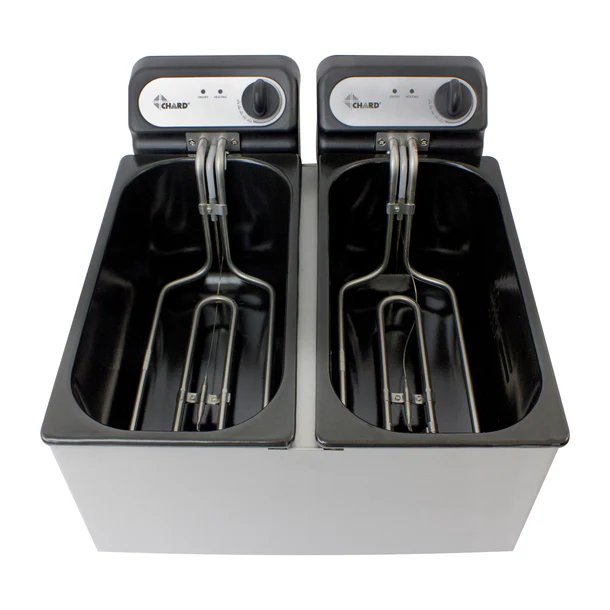
What is a Countertop Deep Fryer and Why Do You Need One?
At its core, a countertop deep fryer is a self-contained electric appliance designed for submerging food in hot oil. Unlike wrestling with a pot on your stovetop, these dedicated units provide consistent heat, a safer environment, and significantly less mess. Imagine no more guesswork with oil temperatures or precarious balancing acts with heavy pots; a good quality countertop deep fryer takes the stress out of frying, making it an accessible technique for everyone. They ensure that your food cooks evenly and develops that coveted crisp exterior without becoming overly greasy, a common pitfall of less controlled methods.
Unveiling the Varieties: Types of Countertop Deep Fryers and Essential Accessories
The world of countertop deep fryers offers a range of options, each designed to fit different needs and kitchen sizes. Understanding these variations, along with the necessary accessories, is key to making the best choice for your frying adventures.
Single vs. Dual Basket Fryers
For most home cooks, a single-basket countertop deep fryer is ideal. These are typically more compact, fitting comfortably on standard kitchen counters, and are perfect for preparing family-sized portions of fries, chicken tenders, or donuts. However, if you often entertain or have a larger household, a dual-basket model might be more up your alley. These allow you to fry two different items simultaneously, like fish and chips, without mixing flavors, or handle larger volumes of a single item more efficiently. Some commercial-grade countertop fryers even boast capacities of up to 30 lbs of oil, suitable for small businesses or very large gatherings.
Key Features to Look For
When shopping for your ideal countertop deep fryer, keep an eye out for these crucial features:
- Temperature Control: Precise temperature regulation (often ranging from 175°F to 400°F or 50-200°C) is paramount for perfectly fried food. Look for models with accurate thermostats and indicators that tell you when the oil is at temperature.
- Wattage: Higher wattage typically means faster heating and quicker oil temperature recovery between batches, leading to crispier results.
- Capacity: This refers to both oil volume and food capacity. Consider how much food you usually fry at once. Smaller units might hold around 1.1 liters of oil and ¾ pound of food, perfect for individual servings, while larger ones can handle up to 4.5 liters of oil and several pounds of food.
- Oil Filtration Systems: Some advanced countertop deep fryers, like the T-fal EZ Clean, feature patented oil filtration technology that automatically drains and filters oil into a sealed container for reuse, saving time and reducing mess.
- Safety Features: Overheat protection, cool-touch handles, and secure lids with viewing windows are vital for safe operation.
- Ease of Cleaning: Removable, dishwasher-safe components are a huge plus. Some models even have internal oil draining systems that funnel used oil into a separate container for easy storage.
Must-Have Accessories
Beyond the fryer itself, a few accessories will elevate your deep-frying experience:
- High Smoke Point Oils: Essential for safe and successful frying. Options include peanut, canola, vegetable, safflower, soybean, and grapeseed oils. Avoid olive oil due to its low smoke point.
- Frying Baskets: Most fryers come with one, but extra baskets can be useful for batch cooking.
- Slotted Spoons or Tongs: For carefully adding and removing food, especially if not using a basket.
- Deep-Fryer Thermometer: While built-in thermostats are common, an external metal dial thermometer can help verify accuracy.
- Oil Storage Containers: For storing filtered oil for reuse (e.g., original oil bottles, coffee cans, dedicated grease keepers).
- Cleaning Tools: Paper towels, sponges, and commercial fryer cleaners for thorough post-fry cleaning.
Mastering Your Machine: A Step-by-Step Guide to Using Your Countertop Deep Fryer
Using a countertop deep fryer is straightforward, but a few key steps ensure safety and delicious results.
Before You Begin: Setup and Safety Checks
First things first, safety! “Always prioritize safety when deep frying,” advises Dr. Elara Vance, a seasoned Food Scientist and culinary safety advocate. “The high temperatures involved demand your full attention and adherence to best practices.”
- Read the Manual: Every countertop deep fryer is a little different. Take a few minutes to read the instructions specific to your model.
- Inspect the Unit: Before each use, quickly check your fryer for any cracks, dings, or damaged areas, especially around where oil will be.
- Strategic Placement: Consider placing your countertop deep fryer on your stovetop, directly under your range hood or exhaust fan. This significantly helps in ventilating steam and grease, keeping your kitchen cleaner and fresher.
- Clear the Area: Ensure the fryer is on a stable, level surface. Keep the surrounding area dry and free of clutter. Tuck away electrical cords to prevent accidental trips or snagging. Never leave the fryer unattended while in use.
Filling and Preheating Your Oil
This step is critical for perfectly crispy outcomes.
- Choose the Right Oil: Select an oil with a high smoke point, such as vegetable, canola, peanut, or grapeseed oil. These oils can withstand the high temperatures needed for deep frying without breaking down or developing off-flavors.
- Fill to the Mark: Locate the fill line inside your fryer and add oil up to that level. Overfilling can lead to dangerous overflows when food is added, while underfilling might not properly submerge food.
- Set and Monitor Temperature: Most foods fry best between 350°F and 375°F (175°C to 190°C). Set your fryer to the desired temperature and allow it to preheat fully. A helpful light usually indicates when it’s ready. If you’re serious about accuracy, a separate deep-fryer thermometer can confirm your oil is spot-on.
The Art of Frying: Techniques for Crispy Perfection
Now for the fun part – frying!
- Pat Food Dry: Excess moisture on food causes oil to splatter violently, which can be dangerous and reduces oil temperature rapidly. Always pat your food thoroughly dry with paper towels before frying.
- Don’t Overcrowd: This is a golden rule! Frying too much food at once will drastically lower the oil’s temperature, resulting in greasy, soggy food instead of crisp perfection. Work in small batches to maintain consistent oil heat.
- Carefully Lower Food: Use the frying basket or tongs to gently lower your food into the hot oil. Dropping food can cause hot oil to splash, leading to burns.
- Avoid Wet Batter in the Basket: If you’re frying items with a wet batter (like homemade onion rings or buttermilk fried chicken), don’t place them directly into the basket first. The wet batter can fuse to the basket. Instead, lower the food directly into the oil with tongs, let the batter set, then use the basket to remove it.
- Monitor and Cook: Keep an eye on your food. Frying times vary by food type, so consult your recipe. Fry until golden brown and crispy, then lift the basket and allow excess oil to drain back into the fryer.
Beyond the Basics: Expert Tips for Frying Success and Oil Management
Once you’ve mastered the fundamentals, these advanced tips will take your deep-frying skills to the next level and help you manage your oil responsibly.
Achieving the Ultimate Crisp
The secret to truly crispy fried food lies in managing oil temperature and moisture. “Maintaining the oil’s temperature is crucial,” explains Chef Julian Mercier, a culinary instructor specializing in classic French techniques. “A consistent heat ensures a quick, even cook and prevents oil from soaking into your food.” Fry frozen foods directly from the freezer, as thawing and refreezing can affect texture. Ensure the oil fully reheats between batches.
Oil Longevity and Storage
You don’t need to discard your frying oil after every use! High-quality oils can be reused several times, typically 3-4 times or more, depending on what you’ve fried. Foods like French fries tend to leave oil cleaner than battered fish or heavily seasoned meats.
To reuse oil:
- Cool First: Allow the oil to cool completely after frying.
- Filter: Strain the cooled oil through a fine-mesh strainer lined with cheesecloth or a coffee filter to remove any food particles.
- Store Properly: Pour the filtered oil into a clean, sealable, light-proof container (like the original oil bottle or a dedicated grease keeper). Store it in a cool, dark place or even in the refrigerator for up to three months.
- Know When to Discard: If the oil becomes dark, thick, cloudy, starts to foam at low temperatures, smells rancid, or develops an unpleasant taste, it’s time to let it go.
Responsible Oil Disposal
Never pour used cooking oil down the sink or into your garbage disposal! As oil cools, it solidifies and can create major blockages in your pipes, leading to costly plumbing issues and attracting pests.
The safest way to dispose of used oil is:
- Cool It Down: Let the oil cool completely to room temperature.
- Containerize It: Pour the cooled oil into a non-recyclable, sealable container such as an empty milk jug, plastic-lined cardboard carton (like a juice box), coffee can, or the original oil bottle. Fill it with absorbent materials like newspaper or cat litter if possible to prevent spills.
- Trash It: Securely seal the container and place it in your household trash.
- Check Local Recycling: Some communities or local recycling centers offer cooking oil recycling programs, which convert it into biodiesel or other useful products. This is the most environmentally friendly option if available.
Deep Frying and Your Health: Striking a Balance
While deep-fried foods are often associated with indulgence, you can certainly enjoy them as part of a balanced diet. It’s all about making smart choices and practicing moderation.
- Choose Wisely: Opt for healthier oils with high smoke points, like canola or grapeseed oil, which also offer beneficial fatty acid profiles.
- Reduce Fat Absorption: Ensuring your oil is at the correct temperature and avoiding overcrowding the basket are key to preventing food from absorbing too much oil. When food hits hot oil, the moisture on its surface rapidly turns to steam, creating a barrier that prevents oil from seeping in. If the oil is too cool, this barrier doesn’t form effectively, leading to greasy results.
- Moderation is Key: Like any delicious treat, deep-fried foods are best enjoyed occasionally. Incorporate them into a diet rich in fruits, vegetables, and lean proteins.
Fryer Fan Favorites: Popular Dishes and Culinary Inspirations
The possibilities with a countertop deep fryer are endless! From classic comfort foods to exciting culinary experiments, your fryer can handle it all.
- Crispy French Fries: The ultimate classic, achieving that perfect balance of fluffy interior and golden crisp exterior.
- Golden Chicken Wings: Whether battered or breaded, wings emerge incredibly juicy and crunchy.
- Homemade Onion Rings: Sweet, tender onion enveloped in a shattering crust.
- Delicate Tempura: Lightly battered vegetables and seafood, cooked to airy perfection.
- Sweet Treats: Donuts, churros, and fritters are elevated when deep-fried, offering a delightful texture contrast.
Don’t be afraid to experiment! Your countertop deep fryer is a tool for culinary creativity. From perfectly fried fish to savory arancini or even adventurous fried pickles, there’s a world of deliciousness waiting to be discovered.
Frequently Asked Questions About Countertop Deep Fryers
Many aspiring home chefs have questions about integrating a countertop deep fryer into their kitchen routine. Here are some of the most common inquiries:
Q: How much oil does a countertop deep fryer need?
A: The oil capacity varies significantly by model, typically ranging from about 1 liter for compact units to 4.5 liters or more for larger home models, and even up to 30 quarts for commercial options. Always fill to the designated “max fill” line indicated inside your fryer.
Q: Can I leave oil in my deep fryer?
A: Yes, you can generally leave oil in your countertop deep fryer between uses, especially if your model has an oil filtration and storage system. If not, it’s best to filter the cooled oil and store it in a sealed, dark container. Make sure the fryer is off and cool before leaving oil in it.
Q: How do I clean my countertop deep fryer?
A: After cooling, drain the oil. Many modern countertop deep fryers have removable components like baskets and oil reservoirs that are dishwasher safe. For the main unit, wipe down surfaces with a damp cloth and mild soap. For a deeper clean, follow the manufacturer’s instructions, often involving specialized fryer cleaners or a hot water and vinegar rinse.
Q: What’s the ideal temperature for deep frying?
A: Most foods fry best between 350°F and 375°F (175°C to 190°C). This temperature range ensures food cooks quickly and forms a crispy crust without becoming greasy or burning.
Q: Is a countertop deep fryer worth it?
A: Absolutely! A countertop deep fryer offers unparalleled convenience, safety, and consistent results for perfectly fried foods at home. If you love crispy textures and want to easily recreate restaurant-quality dishes, it’s a worthwhile investment that transforms your cooking possibilities.
Dive into Deep Frying Excellence
The countertop deep fryer is more than just an appliance; it’s a gateway to a world of crispy, golden delights right in your home kitchen. From the satisfying crunch of homemade French fries to the succulent tenderness of perfectly fried chicken, these machines provide the control, safety, and convenience needed to elevate your cooking. So, take the plunge! Invest in a countertop deep fryer, explore new recipes, and revel in the incredible flavors and textures you can achieve. We encourage you to start your deep-frying journey today and share your delicious creations with the world. Happy frying!