There’s nothing quite like the irresistible allure of perfectly fried fish – golden brown, incredibly crispy on the outside, and tenderly flaky within. Achieving this culinary marvel consistently at home isn’t just a dream; it’s entirely possible with the right equipment. Enter the Fish Deep Fryer, a game-changer for anyone looking to elevate their homemade seafood to restaurant-quality standards. If you’ve ever wrestled with sputtering oil on the stovetop or ended up with greasy, soggy results, it’s time to discover how a dedicated deep fryer can transform your kitchen and your cooking.
This comprehensive guide will dive deep into everything you need to know about selecting, using, and maintaining your fish deep fryer, ensuring every batch of fried fish is a triumphant, crunchy success. We’ll explore the different types available, essential accessories, crucial safety tips, and even how to make deep frying a more responsible culinary choice.
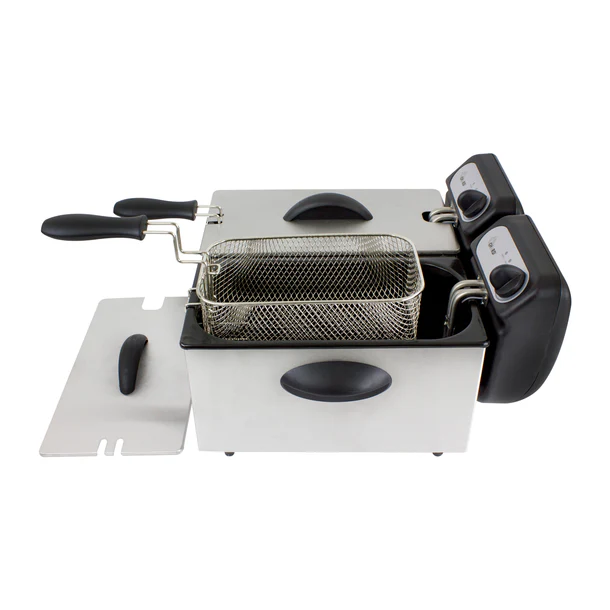
What is a Deep Fryer and Why It’s Essential for Perfect Fish?
At its core, deep frying is an art that involves fully submerging food in hot oil, allowing it to cook quickly and evenly. This process creates that coveted crispy exterior by rapidly evaporating surface moisture, while simultaneously locking in the natural juices to keep the interior moist and delicious. For fish, this technique is particularly magical, transforming delicate fillets into crunchy delights.
While a heavy-bottomed pot on the stove might seem like a simple alternative, a dedicated fish deep fryer offers unparalleled advantages. Its built-in heating elements and precise temperature controls are crucial. The difference between perfectly cooked fish and an oily, burnt mess often comes down to maintaining a consistent oil temperature, typically between 350°F and 375°F (175°C to 190°C). A deep fryer manages this with ease, providing the stable environment needed to achieve that signature crunch without excessive oil absorption. It’s truly an indispensable tool for anyone serious about perfecting their fried fish recipes.
Types of Fish Deep Fryers: Finding Your Perfect Match
When it comes to choosing a fish deep fryer, you’ll find a variety of options, each with its own benefits. Understanding these can help you pick the best model for your cooking style and kitchen space.
Electric Deep Fryers
Electric deep fryers are often the go-to for home cooks due to their convenience and compact size. They typically plug into a standard outlet, making installation a breeze.
- Pros: Easy to use, great for indoor kitchens, often come with built-in safety features like automatic shut-off and cool-touch handles, simplifying the deep frying process for fish and other foods. They are also generally easier to clean.
- Cons: Heating times can be a bit slower than gas models, and their capacity might be more limited, best suited for smaller batches of fried fish.
Gas/Propane Deep Fryers
For those who cook larger quantities or prefer outdoor frying, gas or propane deep fryers are robust options.
- Pros: Known for their fast heating times and incredibly precise temperature control, making them ideal for high-volume frying. Many commercial kitchens rely on gas fryers for their efficiency. Outdoor propane models are fantastic for keeping strong cooking odors and oil splatter out of your home.
- Cons: Require a gas line or propane tank, which can be less convenient for indoor residential use. They are generally larger and may require more ventilation.
Countertop, Floor-Standing, and Outdoor Fryers
Beyond the heating source, deep fryers also vary in form factor. Countertop models are perfect for home kitchens, offering portability and ease of storage. Floor-standing fryers, often found in commercial settings, boast higher capacities and are built for continuous use. Outdoor deep fryers, frequently propane-fueled, are excellent for large gatherings, allowing you to fry everything from a whole turkey to copious amounts of fish and chips without messy cleanup indoors. “Having the flexibility to fry outdoors keeps my kitchen clean and my house smelling fresh, especially when I’m doing a big fish fry for guests,” notes Chef Antoine Dubois, a renowned culinary expert.
Essential Accessories and the Right Oil for Your Fish Deep Fryer
Having the right gear and the proper oil can make a world of difference in your deep frying experience. Think of these as your trusty sidekicks for culinary success.
Deep Fryer Accessories
- Frying Baskets: Many deep fryers come with a single basket, but some offer multi-basket options, allowing you to fry different items simultaneously without cross-contamination – perfect for frying both fish and chips!
- Skimmers and Slotted Spoons: Essential tools for safely lowering food into hot oil and removing it, as well as skimming any small debris that might float to the surface.
- Oil Filters and Filtration Systems: These are invaluable for extending the life of your cooking oil. Built-in filtration systems make the process seamless, keeping your oil clean for multiple uses.
- Thermometer: While many modern fish deep fryer models have integrated temperature controls, an external thermometer can be a useful backup for verifying oil temperature accuracy, especially for older or simpler models.
- Drainer Racks and Paper Towels: Crucial for allowing excess oil to drip off your fried fish after cooking, ensuring maximum crispiness and less grease.
Choosing the Right Frying Oil
The type of oil you use is paramount. You need an oil with a high smoke point, meaning it can withstand high temperatures without breaking down, smoking, and imparting burnt flavors to your food.
- Best Choices: Vegetable oil, canola oil, peanut oil, and grapeseed oil are all excellent options. They have high smoke points and relatively neutral flavors that won’t overpower your delicious fish.
- Avoid: Oils with low smoke points, like olive oil or butter, are unsuitable for deep frying. They will smoke excessively, burn quickly, and give your fish an unpleasant taste, potentially even setting off your fire alarm!
Mastering Your Fish Deep Fryer: Usage and Safety Tips
Deep frying fish is an exhilarating culinary adventure, but it requires respect for hot oil. Following proper usage and safety protocols ensures delicious results without mishaps.
Setting Up Your Fish Deep Fryer
- Read the Manual: This is your first and most important step. Every fish deep fryer model has specific instructions for assembly, operation, and maintenance.
- Fill with Oil: Fill the designated compartment with your chosen high-smoke-point oil. Pay close attention to the minimum and maximum fill lines to prevent overflows or insufficient submersion.
- Preheat to Optimal Temperature: Turn on your fryer and allow the oil to preheat to the recommended temperature for fish, usually between 350°F and 375°F (175°C to 190°C). Many fryers will have an indicator light or digital display to let you know when it’s ready.
Safe Deep Frying Practices
- Never Overcrowd the Basket: Frying too much fish at once will drastically lower the oil temperature, leading to greasy, soggy results. Fry in small batches to maintain consistent heat and ensure even cooking.
- Carefully Lower Food: Gently place fish into the hot oil using the frying basket or a slotted spoon. Dropping food in can cause dangerous splatters.
- Utilize Safety Features: Features like cool-touch handles, secure lids, and automatic shut-off mechanisms are designed to protect you. Always ensure handles are cool before touching, and use a lid to minimize splattering.
- Ensure Proper Ventilation: Even with an outdoor fryer, good airflow is important. Indoors, use your range hood or open a window to dissipate cooking odors and steam.
Achieving Crispy Perfection
The secret to truly crispy fried fish in your fish deep fryer lies in a few key techniques:
- Maintain Consistent Oil Temperature: As mentioned, this is crucial. A good fryer will help, but don’t overload it.
- Drain Excess Oil: After removing the fish from the fryer, immediately place it on a wire rack over paper towels or on a designated drainer rack. This allows excess oil to drip away, preventing sogginess.
- Season While Hot: Salt your fried fish immediately after removing it from the oil. The heat helps the seasoning adhere better, enhancing the flavor.
- Perfecting Beer-Battered Fish: For a classic, light, and airy batter, mix flour, baking powder, and a cold beer or sparkling water. Dip your fish fillets, ensuring an even coating, then carefully lower them into the preheated oil. Fry until golden brown and flaky.
Maintaining Your Fish Deep Fryer: Cleaning and Oil Management
Proper care and maintenance will not only prolong the life of your fish deep fryer but also ensure consistent, delicious results every time you cook.
Cleaning Your Deep Fryer
- Cool Down Completely: This is non-negotiable. Never attempt to clean a deep fryer with hot oil. Allow it to cool thoroughly, ideally overnight.
- Removable Components: Many modern deep fryers feature removable baskets, oil reservoirs, and lids that are often dishwasher-safe, making cleanup significantly easier.
- Nonstick Interiors: If your fryer has a nonstick interior, cleaning is usually a breeze with just warm, soapy water and a soft sponge. Avoid abrasive scrubbers that can damage the coating.
- Wipe Down Exterior: Don’t forget to wipe down the exterior of your fish deep fryer to remove any grease or splatters.
Disposing of and Reusing Oil
Oil management is a key aspect of deep fryer maintenance.
- Reusing Oil: You can often reuse frying oil a few times, especially if you’re only frying fish. After each use, let the oil cool, then strain it through a fine-mesh sieve or cheesecloth to remove any food particles. Store the strained oil in an airtight container in a cool, dark place.
- When to Dispose: It’s time to discard the oil if it looks dark and cloudy, smells rancid, or develops a thick foam when heated.
- Proper Disposal: Never pour used cooking oil down the drain! It can solidify and clog your pipes. Once completely cool, pour the oil into a disposable, sealable container (like an old milk carton, plastic bottle, or coffee can) and throw it in your regular trash. Environmentally conscious options include cooking oil solidifiers or local recycling programs for cooking oil.
The Health Angle: Deep Frying Fish Responsibly
While deep-fried fish is a delightful indulgence, it’s understandable to have questions about its nutritional impact. Deep frying, by its nature, involves a fair amount of fat. However, you can enjoy your crispy fish responsibly by making smart choices.
- Maintain Optimal Temperature: Fish cooked in oil that is too cool will absorb more oil, making it greasier. Keeping the oil at the right temperature ensures the exterior crisps quickly, creating a barrier that minimizes oil absorption.
- Drain Thoroughly: Always drain your fried fish on a rack set over paper towels. This simple step can significantly reduce the amount of absorbed oil.
- Choose Wisely: Opt for lean white fish varieties like cod, haddock, or tilapia, which are naturally lower in fat.
- Portion Control: Enjoy deep-fried fish as an occasional treat rather than a daily staple, and balance it with plenty of fresh vegetables and other healthy foods.
Beyond the Basics: Popular Fish Dishes and Creative Ideas
The versatility of the fish deep fryer extends far beyond the classic fish and chips. It’s a gateway to a world of crispy delights.
- Classic Fish and Chips: A timeless favorite. Batter fresh cod or haddock and serve with homemade French fries for an authentic experience.
- Crispy Fried Shrimp: Lightly breaded shrimp fried to perfection makes an excellent appetizer or main course.
- Calamari Rings: Tender calamari, lightly floured and fried until golden, is a popular choice, often served with marinara sauce.
- Tempura Fish and Vegetables: For a lighter, airy crunch, try making tempura-battered fish and an assortment of vegetables. The delicate batter is a true treat.
- Seasonal Fish Fritters: Experiment with different fish types and seasonings to create unique fritters, perfect for a starter or light meal.
Expert Insight: A Chef’s Perspective
“The secret to a truly outstanding fried fish dish isn’t just the fish itself, but the meticulous control over your frying environment,” shares Chef Isabella Rossi, a celebrated chef specializing in seafood. “A high-quality fish deep fryer empowers home cooks to achieve that elusive crispy texture and moist interior, transforming a simple ingredient into a culinary masterpiece. It’s about precision, and a good fryer provides that every time.”
Frequently Asked Questions about Fish Deep Fryers
What size deep fryer do I need for a family of 4?
For a family of four, a deep fryer with a 4 to 5-liter (or 4- to 6-quart) oil capacity is generally ideal. This allows you to cook a good amount of fish or sides in a single batch without overcrowding.
What’s the best oil for deep frying fish?
The best oils for deep frying fish are those with high smoke points and neutral flavors, such as vegetable oil, canola oil, peanut oil, or grapeseed oil. These oils can withstand the necessary high temperatures without burning or imparting off-flavors.
How often should I change deep fryer oil when frying fish?
If you are only frying fish, you can typically reuse the oil 3-5 times, provided you strain it after each use and store it properly. However, if the oil looks dark or cloudy, smells bad, or foams excessively when heated, it’s time to replace it.
Can I use a deep fryer indoors for fish?
Yes, most electric countertop deep fryers are designed for indoor use. Always ensure you have good ventilation, such as an extractor fan or an open window, to manage cooking odors and steam. For larger, gas-powered fryers, outdoor use is often recommended for safety and ventilation.
How do I clean my fish deep fryer effectively?
First, always allow the oil to cool completely. Then, remove any detachable components like the basket and oil reservoir for washing, ideally in a dishwasher if they are designated as such. Wipe down the interior and exterior with warm, soapy water, ensuring all grease and food particles are removed.
Conclusion
Embracing the fish deep fryer is a journey into a world of crispy, delicious possibilities. From understanding the nuanced differences between electric and gas models to mastering safe operating procedures and smart maintenance, you’re now equipped with the knowledge to consistently create incredible fried fish dishes. This appliance isn’t just about frying; it’s about unlocking a new level of culinary excellence in your kitchen. So go ahead, experiment with new recipes, refine your techniques, and delight in the sheer joy of perfectly prepared, crispy fried fish. Your taste buds—and your guests—will thank you for it!