There’s something undeniably satisfying about perfectly golden, crispy fried food, isn’t there? That incredible crunch followed by a tender, flavorful interior is a culinary delight. While electric fryers certainly have their place, for those truly serious about achieving professional-level results at home or in a bustling kitchen, a Gas Deep Fat Fryer often stands out as the champion. This powerhouse appliance is more than just a kitchen tool; it’s a gateway to a world of perfectly fried dishes, offering unparalleled temperature control and recovery that can elevate your cooking to new heights. If you’ve ever wondered how restaurants get their fries so consistently crisp, or their fried chicken so uniformly golden, chances are a gas deep fat fryer is at the heart of their operation.
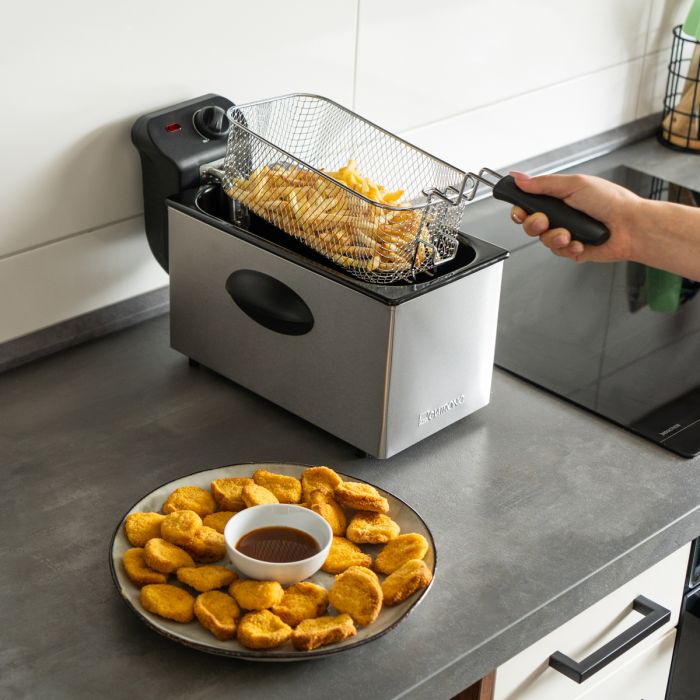
What is a Deep Fryer and Why Does the Gas Version Matter?
At its core, a deep fryer is an appliance designed to submerge food in hot oil for cooking. It consists of a heating element, an oil reservoir, and usually a basket to hold the food. But a gas deep fat fryer takes this concept to the next level by utilizing natural gas or propane as its fuel source. This isn’t just a minor detail; it’s a game-changer. Gas burners provide intense, immediate heat, which translates into incredibly fast oil preheating and, more importantly, rapid temperature recovery after food is added. This superior heat management is crucial for preventing soggy, greasy results and ensuring your food cooks evenly and crisply every single time. It allows for continuous frying, making it ideal for large batches or busy settings where consistency is key.
Understanding the Power of a Gas Deep Fat Fryer
A gas deep fat fryer excels where many electric models falter: maintaining consistent oil temperature. When you drop cold food into hot oil, the temperature inevitably dips. A gas fryer, with its robust burners, quickly brings the oil back to the desired temperature. This rapid recovery is essential for sealing the food’s exterior quickly, locking in moisture, and preventing excessive oil absorption. The result? Lighter, crispier, and more delicious fried dishes. These units are often built with durability in mind, capable of handling demanding use, and are staples in commercial kitchens for a reason.
Types of Gas Deep Fat Fryers and Essential Accessories
When diving into the world of gas deep fat fryers, you’ll quickly discover a range of options, each suited for different needs. Understanding these, along with the necessary accessories, is key to making the right choice for your frying adventures.
What are the main types of gas deep fat fryers?
Gas deep fat fryers typically come in two main categories: countertop models and floor models. Countertop gas fryers are smaller, more portable, and ideal for home use or smaller commercial operations where space is limited. They often have capacities ranging from 10 to 30 pounds of oil. Floor models, on the other hand, are larger, freestanding units designed for heavy-duty commercial use, capable of holding 40 to 80 pounds of oil or more. They boast higher BTU outputs and are built for continuous, high-volume frying. While electric fryers offer plug-and-play convenience, gas fryers are preferred by many professionals for their sheer power and efficiency.
What essential accessories do I need for my gas deep fat fryer?
To get the most out of your gas deep fat fryer, you’ll need more than just the unit itself. Here’s a quick rundown of must-have accessories:
- Frying Baskets: Most fryers come with baskets, but having extra or specialized baskets (like those for delicate items) can be very useful.
- High-Quality Frying Oil: Choosing the right oil is paramount. Options like peanut oil, canola oil, or vegetable oil are excellent due to their high smoke points and neutral flavors.
- Oil Filter Pot/System: Essential for extending oil life and maintaining food quality. Regular filtering removes food particles.
- Slotted Spoon or Spider Skimmer: Perfect for removing small crumbs or single pieces of food without disturbing the main batch.
- Heat-Resistant Gloves: Safety first! These protect your hands from hot oil and surfaces.
- Fryer Cleaning Brushes: Specially designed brushes help scrub away stubborn residue and keep your fryer pristine.
- Metal Lid: Many models come with lids to cover the oil when not in use, protecting it from contaminants.
- Fire Extinguisher (Class K): A non-negotiable safety item for any kitchen with a deep fryer.
A Detailed Guide to Using Your Gas Deep Fat Fryer
Operating a gas deep fat fryer isn’t complicated, but it does require attention to detail and a strong emphasis on safety. Let’s walk through the process, from setup to safe operation.
How do I safely set up and ignite a gas deep fat fryer?
First, ensure your gas deep fat fryer is placed on a stable, non-combustible surface with adequate ventilation. If it’s a permanent installation, a professional should connect it to your gas line. For portable propane units, secure the tank properly. Fill the oil reservoir to the manufacturer’s recommended fill line; never overfill or underfill. To ignite, follow your specific model’s instructions, which usually involve turning the gas supply on, lighting the pilot light (if applicable), and then turning the main burner control to the desired setting. Always ensure a strong flame and proper ventilation before proceeding.
How do I control temperature and ensure safe frying?
Temperature control is paramount. Use the fryer’s built-in thermostat to set the desired oil temperature, typically between 325°F and 375°F (160°C and 190°C) depending on the food. Allow the oil to reach the set temperature before adding food. When adding food, do so slowly and carefully to avoid splashing. Never overload the basket; frying in small batches helps maintain oil temperature and ensures even cooking. Always keep a Class K fire extinguisher nearby and never leave a hot fryer unattended. If a grease fire occurs, turn off the gas supply and use the fire extinguisher; never use water.
Tips and Techniques for Efficient Frying
Achieving that perfect crisp and flavor from your gas deep fat fryer goes beyond just setting the temperature. A few insider tips and techniques can make all the difference.
What are the best ways to make fried food extra crispy?
The secret to extra crispy fried food lies in several factors. Firstly, ensure your food is as dry as possible before frying; excess moisture causes splattering and steams the food instead of frying it. Secondly, don’t overcrowd the fryer; small batches allow the oil temperature to recover quickly and cook food more efficiently. Thirdly, consider a double-fry technique for items like French fries: fry once at a lower temperature (around 325°F/160°C) until cooked through but not browned, then increase the temperature to 375°F (190°C) and fry again until golden and crispy.
How should I properly handle and dispose of used frying oil?
Proper oil management is crucial for both food quality and safety. After each use, allow the oil to cool completely before filtering it through a fine-mesh sieve or a dedicated oil filter system to remove food particles. Store the filtered oil in a clean, airtight container in a cool, dark place. Oil can typically be reused several times, depending on what you’ve fried, but discard it when it darkens, smokes excessively, or develops an off-flavor. For disposal, never pour oil down the drain; collect it in a sealed container and dispose of it with your regular trash or take it to a designated recycling center.
The Impact of Deep Frying on Nutrition and Health
It’s no secret that deep-fried food isn’t always hailed as a health food, but understanding the nuances of how a gas deep fat fryer affects nutrition can help you make more informed choices. It’s all about balance and smart techniques.
How can I minimize fat absorption and make healthier choices when deep frying?
Minimizing fat absorption is key to enjoying fried foods responsibly. The most important factor is maintaining the correct oil temperature. If the oil isn’t hot enough, food will absorb more oil and become greasy. A well-maintained gas deep fat fryer excels here, quickly recovering temperature. Additionally, drain fried food thoroughly on a wire rack over paper towels immediately after removing it from the oil. Choosing oils with healthier fat profiles, such as canola, sunflower, or peanut oil, which are lower in saturated fats and higher in monounsaturated or polyunsaturated fats, can also make a difference. Consider frying vegetables or leaner proteins more often.
What are the best oil choices for deep frying in terms of health and flavor?
When it comes to oil, it’s a balancing act between health benefits, smoke point, and flavor.
- Canola Oil: Neutral flavor, high smoke point, good for all-around frying.
- Peanut Oil: Slightly nutty flavor, very high smoke point, excellent for Asian cuisine and fried chicken.
- Vegetable Oil (Blend): Often a mix of various oils, generally neutral and high smoke point, economical.
- Sunflower Oil: High in unsaturated fats, high smoke point, good for general frying.
Avoid oils with low smoke points like olive oil or butter for deep frying, as they will break down quickly and impart an unpleasant flavor.
Popular Dishes and Creative Ideas for Your Gas Deep Fat Fryer
A gas deep fat fryer isn’t just for French fries and onion rings; it opens up a universe of culinary possibilities. From classic comfort foods to gourmet delights, your fryer can handle it all.
What are some classic and popular dishes to make in a deep fryer?
The classics are always a hit:
- French Fries: The ultimate comfort food, especially when double-fried for extra crispness.
- Fried Chicken: Juicy on the inside, incredibly crispy on the outside.
- Fish and Chips: A British staple, perfectly battered fish with thick-cut fries.
- Doughnuts: Light, fluffy, and endlessly customizable with glazes and toppings.
- Onion Rings: Sweet onions encased in a crunchy coating.
- Tempura: Delicate Japanese-style fried vegetables and seafood.
What are some creative and less common dishes to try in your gas deep fat fryer?
Don’t limit yourself! Get creative with your gas deep fat fryer:
- Fried Oreos or Twinkies: A carnival favorite that’s surprisingly easy to make at home.
- Deep-Fried Pickles: A tangy and crunchy appetizer.
- Arancini: Italian fried rice balls, often filled with cheese and ragu.
- Churros: Spanish and Portuguese fried dough pastries, perfect with chocolate dipping sauce.
- Falafel: Middle Eastern fried chickpea patties, excellent in a pita with tahini sauce.
- Deep-Fried Avocado: A creamy interior with a crispy exterior, great in tacos or salads.
“A truly great fried dish hinges on rapid temperature recovery, and that’s where a gas deep fat fryer shines,” explains Chef Antoine Dubois, a seasoned culinary expert. “It’s the difference between merely cooked food and a perfectly executed, golden masterpiece.”
Frequently Asked Questions About Gas Deep Fat Fryers
Got more questions? Here are some common queries about getting the most out of your gas deep fat fryer.
How often should I change the oil in my gas deep fat fryer?
The frequency of oil changes depends on how often you fry, what you fry, and the oil’s condition. For home use, if you fry once or twice a week, you might change it every 3-5 uses. For commercial use, it could be daily or even multiple times a day. Always change oil when it becomes dark, thick, smokes excessively at normal temperatures, or develops a strong, off-putting odor or flavor.
Is a gas deep fat fryer better than an electric one?
For serious frying, many chefs and enthusiasts prefer a gas deep fat fryer. Gas units offer superior temperature recovery, meaning the oil quickly returns to the set temperature after food is added. This results in crispier, less greasy food. Electric models are often more compact and easier to install (just plug in), making them suitable for casual home use.
What safety precautions should I always follow when using a gas deep fat fryer?
Always keep a Class K fire extinguisher readily accessible. Never overfill the oil reservoir or leave a hot fryer unattended. Ensure adequate ventilation. Slowly lower food into the hot oil. Keep children and pets away from the appliance. Turn off the gas supply and allow the oil to cool completely before cleaning or moving the fryer.
Can I use a gas deep fat fryer indoors?
Yes, most gas deep fat fryers designed for indoor use can be used in a kitchen, provided there is proper ventilation. Commercial models require professional installation with a commercial ventilation hood system. Home-use models generally require good kitchen ventilation (like an overhead range hood). Never use outdoor-specific fryers (like turkey fryers) indoors due to carbon monoxide risks and fire hazards.
How do I clean my gas deep fat fryer?
After the oil has cooled and been drained/filtered, remove any remaining oil and food particles. You can then use hot, soapy water and a specialized fryer brush to scrub the inside of the oil pot. For stubborn residue, some commercial fryers have boil-out programs or you can use a fryer cleaner solution. Rinse thoroughly and dry completely before refilling with oil. Regular cleaning prevents flavor transfer and extends the life of your fryer.
The Ultimate Fry Experience Awaits
Embracing a gas deep fat fryer means stepping into a world where perfectly crispy, consistently delicious fried food is not just a dream, but a regular reality. Whether you’re whipping up classic French fries for a family dinner, experimenting with gourmet fried desserts, or mastering the art of fried chicken, the superior heat control and efficiency of a gas unit will empower you to achieve culinary excellence. So, why not unlock the full potential of deep frying in your own kitchen? Dive in, experiment, and share your golden, crispy creations with the world. Your taste buds, and your guests, will thank you.